


White-headed marmoset:
Barú’s Little Natural Treasure We Protect at Hotel Las Islas
The
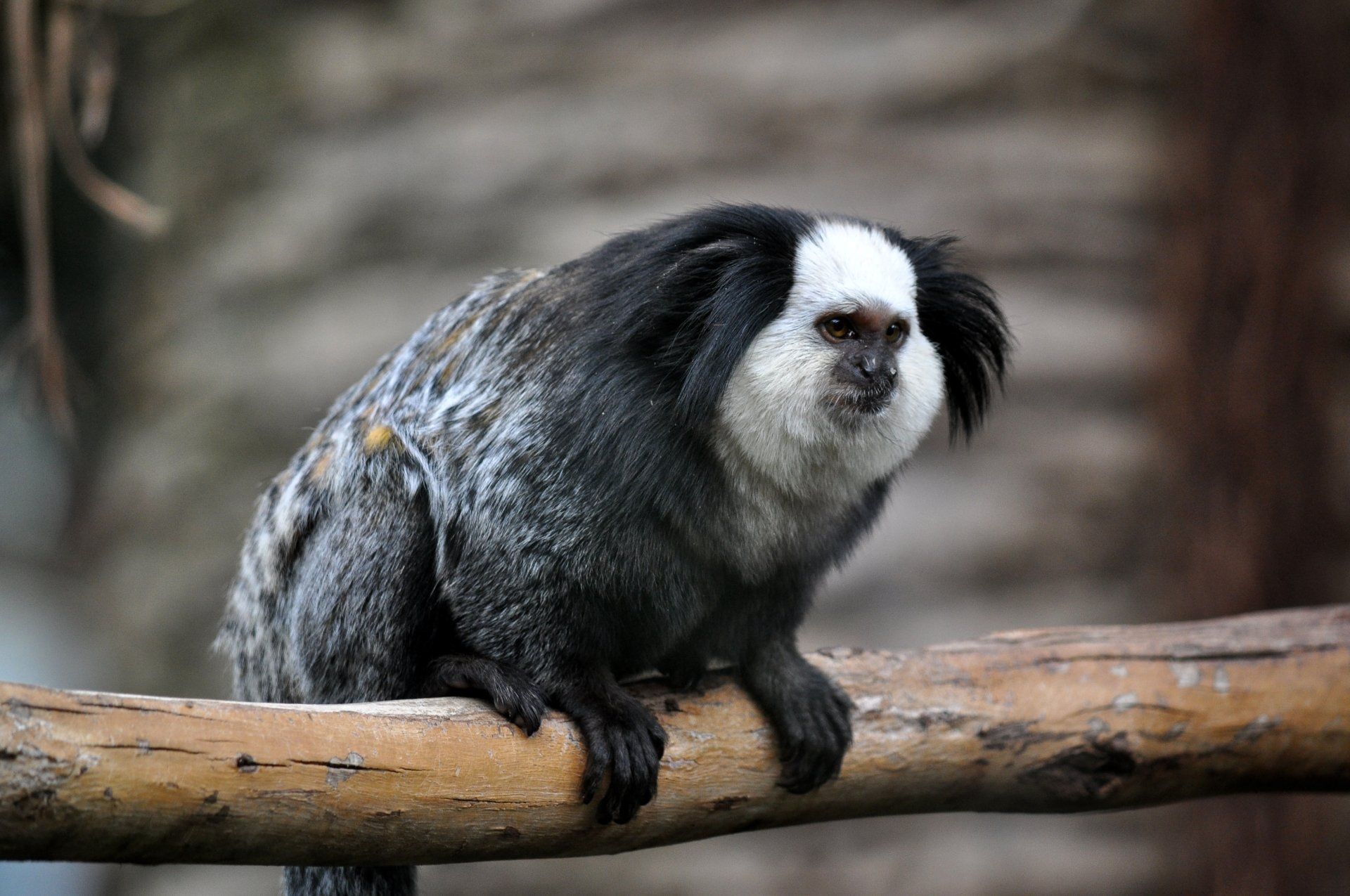
White-headed marmoset is one of the most remarkable inhabitants of the tropical dry forest surrounding
Hotel Las Islas in Barú. This small, endemic Colombian species is currently threatened, and this natural environment provides a place where it can move freely through the trees and live in close connection with the forest.
At Hotel Las Islas, we are committed to the conservation of this species and to
protecting the ecosystems that make Barú
a destination of extraordinary natural richness. Our commitment to biodiversity is part of a way of doing tourism that seeks to live in harmony with the environment and contribute to its preservation.
What is a White-headed marmoset?
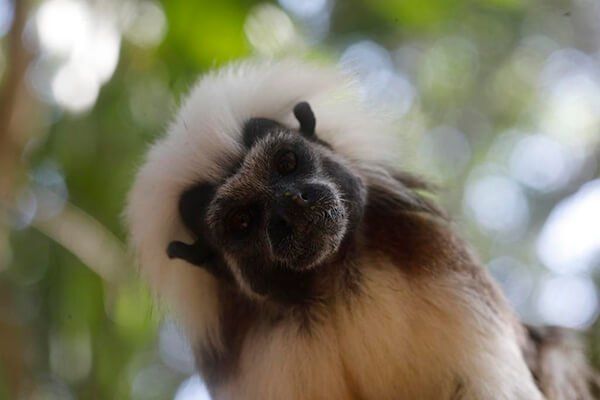
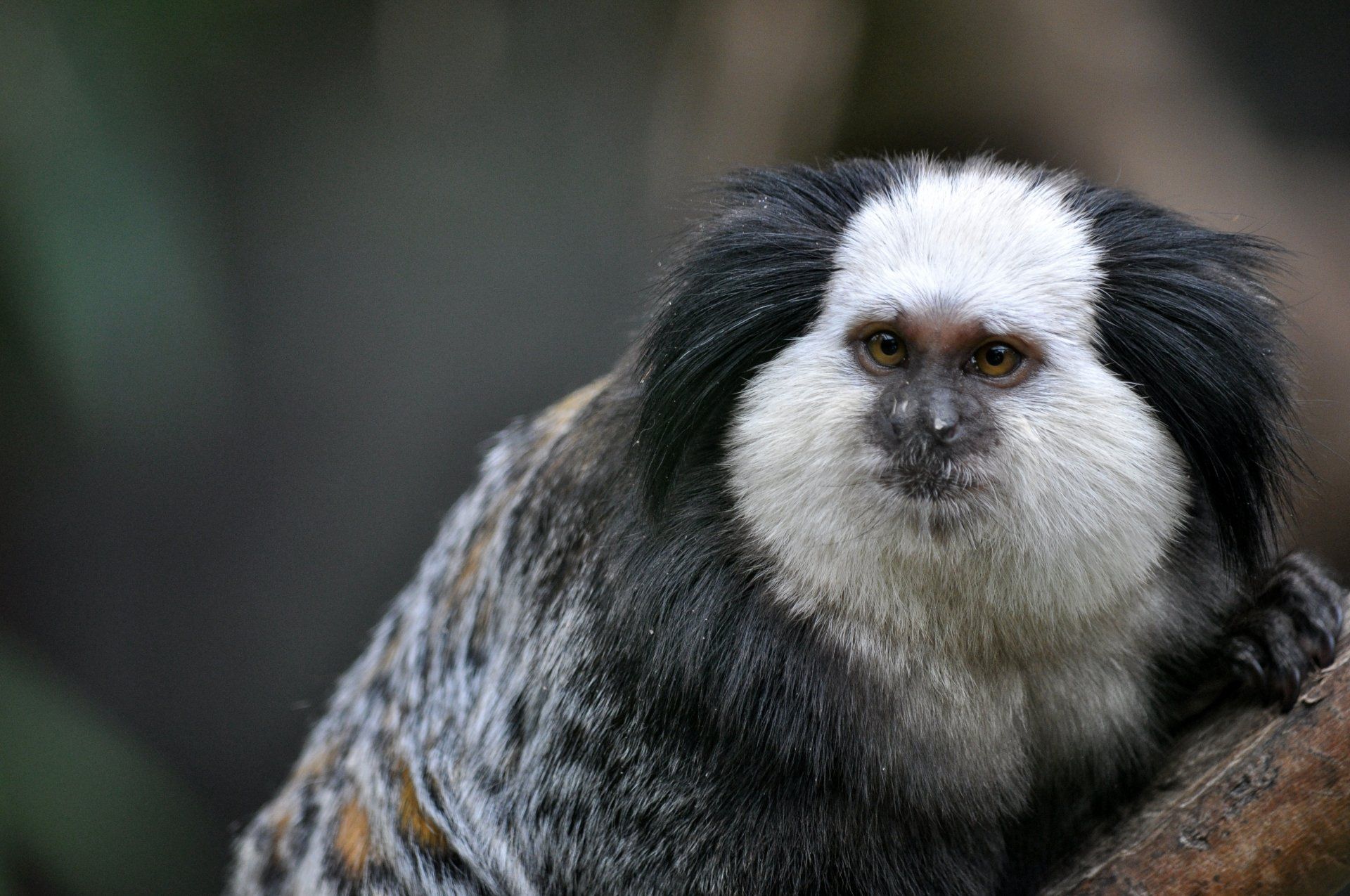
The White-headed marmoset, scientifically known as Saguinus oedipus, is a small primate that is easily recognized by its distinctive white crest, which extends from its forehead to the nape of its neck.
This species is endemic to Colombia, meaning it occurs naturally only in our country. It primarily inhabits tropical forests in northwestern Colombia, including areas of Bolívar, Atlántico, Sucre, Córdoba and Antioquia.
Measuring approximately 30 centimeters and weighing no more than 500 grams, the White-headed marmoset may be small in size, but it plays an important role in the ecosystems it calls home.
Its diet includes fruit, insects, nectar, shoots and small animals. As it feeds on fruit and moves through the forest, it also helps disperse seeds from different plant species.
Where Does the White-headed marmoset Live?
The natural habitat of the White-headed marmoset is tropical forest, particularly areas that provide the food, shelter and space it needs to move freely.
In Barú, tropical dry forest is part of the natural landscape surrounding Hotel Las Islas. For this reason, the hotel’s spaces were designed to preserve the connection between the vegetation and the wildlife that inhabits this territory.
White-headed marmoset move freely among branches and trees, jumping from one place to another as they search for food or travel with their group. Seeing them in their natural surroundings is a wonderful reminder that, before being a tourist destination, Barú is also home to countless species.
Nature's Symphony
Why Is the White-headed marmoset Endangered?
The White-headed marmoset is one of Colombia’s most threatened primate species. Habitat loss and transformation, the expansion of agricultural and livestock activities, hunting, and capture for the illegal pet trade have significantly affected its populations.
Its limited geographic range also makes the species particularly vulnerable to changes in the ecosystems where it lives.
Protecting the White-headed marmoset therefore also means protecting the forests and ecosystems it needs to survive.
White-headed marmoset Conservation at Hotel Las Islas
At Hotel Las Islas, we believe that enjoying Barú also means caring for everything that makes this place so special.
The hotel’s infrastructure is integrated into Barú’s tropical dry forest, allowing the local flora and fauna to maintain their natural paths and movements. Within this environment, we work to protect and reintroduce the White-headed marmoset, helping provide these animals with a suitable space to thrive.
This work is part of a broader commitment to Barú’s biodiversity and to protecting the ecosystems that make this destination unique.
A Commitment to Barú’s Natural Environment
Caring for the Cotton-top Tamarin is just one of the ways Hotel Las Islas works to protect Barú’s natural environment.
Since 2018, we have also joined forces with the Barú community and Colombia’s National Natural Parks to restore the island’s mangrove forests. Through this program, we collect seeds from the forest itself, take them to a nursery to help them grow, and then plant them back into their natural environment.
So far, we have planted more than 2,000 mangrove plants, helping restore this ecosystem and providing shelter for a variety of species.
We also work on coral planting and propagation. With the hotel’s support, divers from the Barú community have become certified coral gardeners and now take part in restoring these marine ecosystems. To date, Hotel Las Islas has planted 70,000 new corals.
Discover our sustainability initiatives and learn how we work to protect Barú’s ecosystems.